Akame ga Kill is widely remembered not only for its dark fantasy setting and brutal plot twists, but also for its strong focus on character-driven storytelling. From the very beginning, the anime makes it clear that its characters are not protected by narrative safety. Each major figure carries distinct ideals, flaws, and emotional burdens, which ultimately shape their fate.
In 2026, the anime continues to be discussed largely because of how deeply its characters resonated with viewers. Rather than serving as simple heroes or villains, the main cast of Akame ga Kill represents different responses to corruption, power, and violence. This focus on personality and ideology is what gives the series its lasting emotional impact.
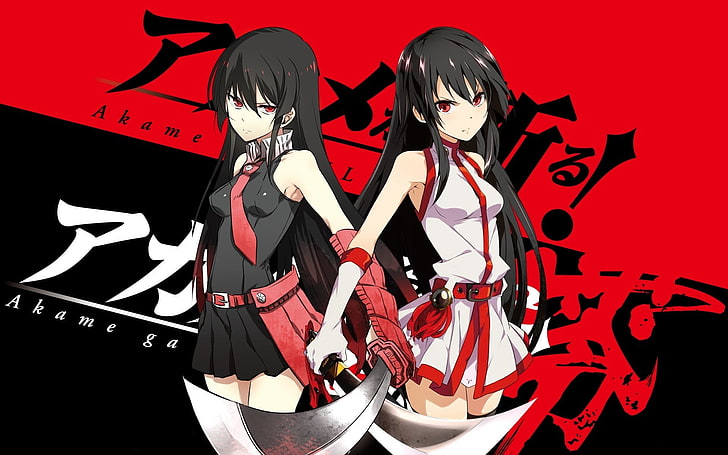
Akame: Silent Resolve and the Weight of Guilt
Akame is the emotional anchor of the series. Her defining trait is restraint—both in speech and emotion. As an elite assassin wielding the cursed sword Murasame, Akame is deadly efficient, yet deeply burdened by the lives she has taken. Unlike louder or more expressive characters, her strength lies in discipline and unwavering resolve.
Akame’s guilt over her past actions shapes her worldview. She does not see killing as heroic, but as a necessary evil in the fight against corruption. This moral awareness makes her one of the most respected and tragic characters in the anime. In discussions even years later, Akame is often praised for embodying quiet strength and emotional realism within a violent narrative.
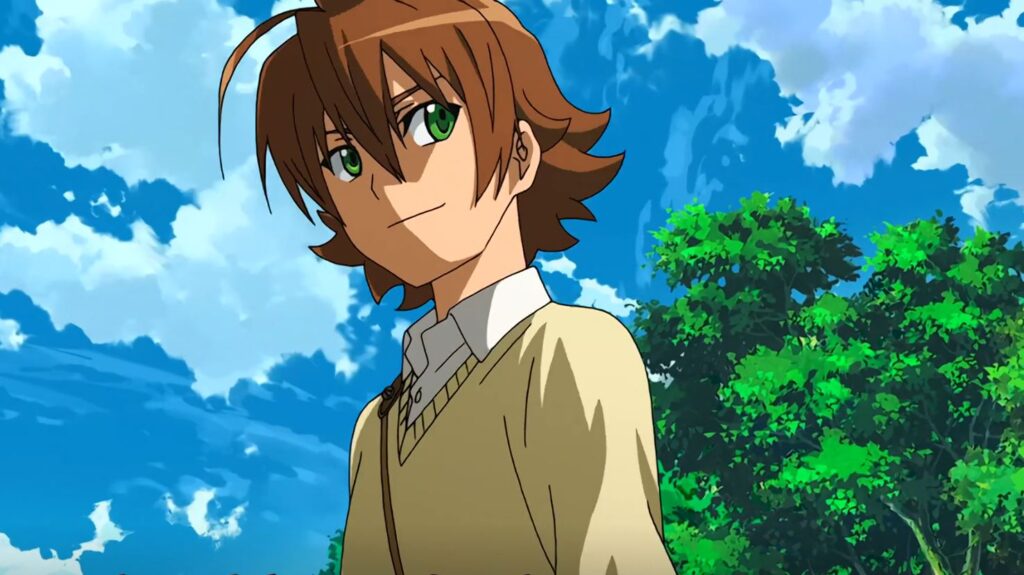
Tatsumi: Idealism Shattered by Reality
Tatsumi begins Akame ga Kill as an optimistic and inexperienced young man who believes he can change the world through good intentions alone. His defining characteristic is idealism, which is quickly challenged by the brutal reality of the Empire. As the story progresses, Tatsumi’s growth becomes one of the most painful aspects of the anime.
Through loss, betrayal, and responsibility, Tatsumi evolves into a more hardened and selfless fighter. His development represents the loss of innocence caused by systemic injustice. In 2026, Tatsumi is often analyzed as a tragic coming-of-age figure—someone who learns that doing the right thing often comes at an unbearable personal cost.
Esdeath: Power, Obsession, and Twisted Love
Esdeath stands as one of the most iconic antagonists in anime history. Her defining trait is dominance. She believes that the strong deserve to rule and the weak deserve to perish. This philosophy drives both her cruelty and her charisma, making her a compelling yet terrifying presence.
What sets Esdeath apart is her emotional contradiction. Despite her brutality, she is capable of affection and obsession, particularly toward Tatsumi. This twisted form of love humanizes her without redeeming her actions. In 2026, Esdeath remains a frequently discussed character because she challenges traditional villain archetypes, blurring the line between monster and human.
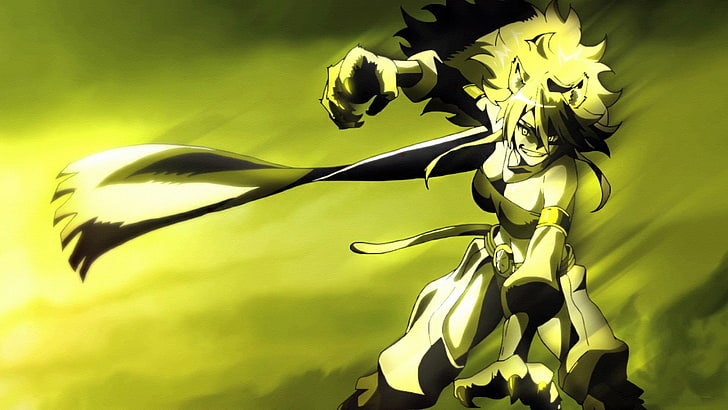
Leone, Mine, and the Human Cost of Rebellion
Supporting characters in Akame ga Kill are far from expendable. Leone represents loyalty and emotional warmth, often acting as the emotional glue of Night Raid. Her defining trait is resilience—she faces death with courage and humor, masking deep emotional pain.
Mine, on the other hand, is driven by insecurity and a desire for recognition. Her sharp personality hides vulnerability, making her growth especially impactful. Characters like Bulat and Chelsea further emphasize the human cost of rebellion. Each death is personal, reinforcing the anime’s message that revolution is not glorious, but devastating.
Night Raid as a Reflection of Conflicting Ideals
As a group, Night Raid is defined not by uniform beliefs, but by shared desperation. Each member joins for different reasons—justice, revenge, survival—but all are united by the understanding that change requires sacrifice. This ideological diversity adds depth to the anime’s narrative.
In 2026, Night Raid is often praised as one of the most emotionally grounded resistance groups in anime. Their victories feel temporary, and their losses permanent. This realism strengthens the audience’s connection to the characters and reinforces the anime’s tragic tone.
Final Thoughts
Akame ga Kill remains a powerful example of how character-focused storytelling can elevate an anime beyond action and spectacle. Each main character embodies a different response to power, injustice, and violence, creating a narrative rich in emotional and moral complexity.
In 2026, the anime continues to resonate because its characters feel painfully human. Their strengths are matched by flaws, and their victories are overshadowed by loss. For viewers seeking an anime where characters drive the story rather than survive it, Akame ga Kill stands as a haunting and unforgettable experience.
👉 If you are a fan of Akame ga Kill, you can find and purchase merchandise inspired by the series at Official Akame ga Kill Merchandise: akamegakillmerch.com
